In this article
The Heart of a Classic – Why Victoria Sponge Cake Will Always Be in Style
Let me just start by saying, there’s nothing quite like a classic Victoria Sponge Cake. It’s one of those desserts that feels fancy and nostalgic all at once. The kind of cake that takes you right back to cozy kitchen tables, pots of tea, and slow Sunday afternoons. I made this recently for a family get-together, and I kid you not — not a single crumb was left. That’s when you know you’ve struck gold!
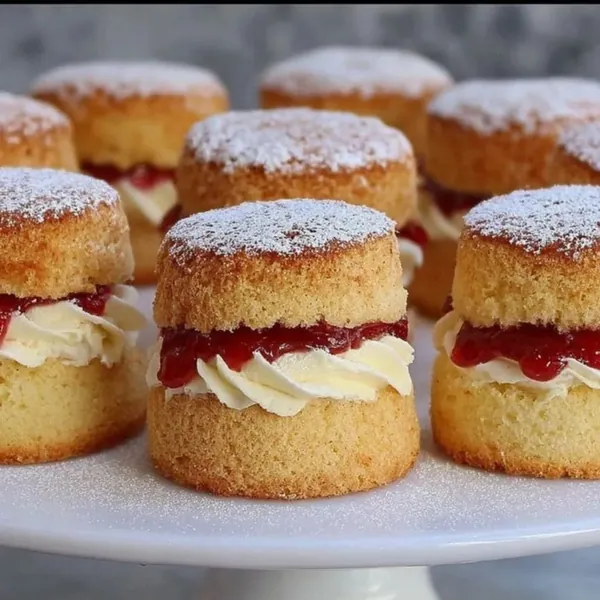
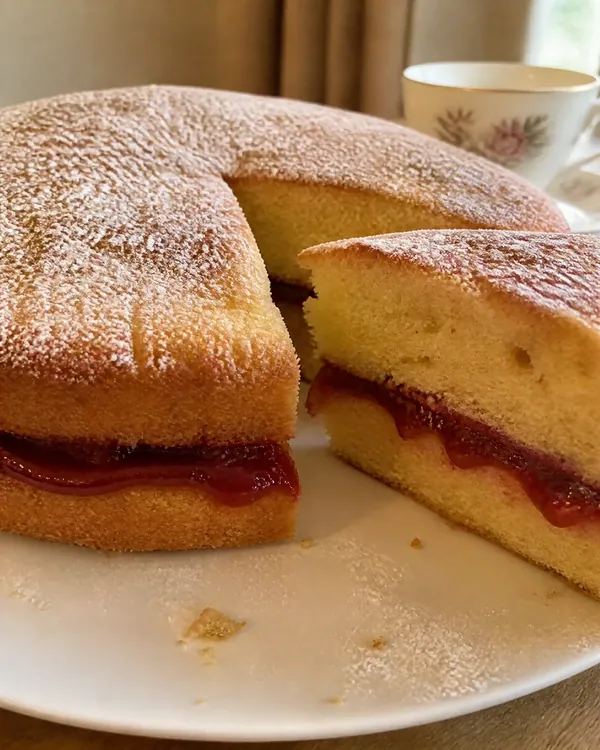
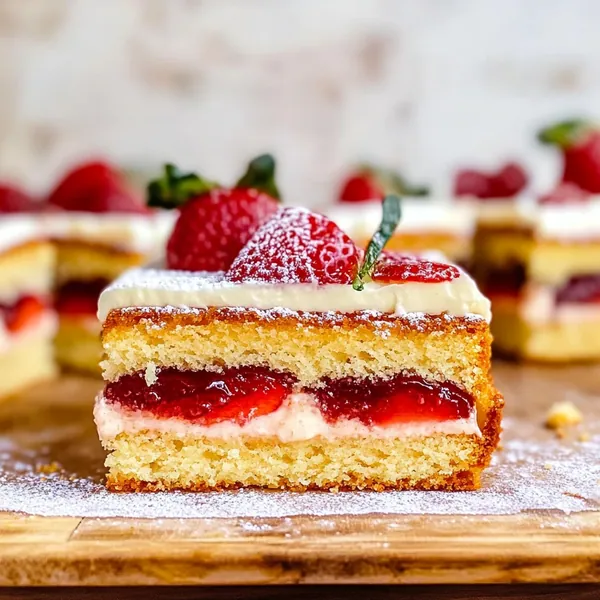
This recipe is straight-up traditional — no over-the-top twists or complicated steps. Just buttery, fluffy sponge, sweet strawberry jam, and pillows of whipped cream. If you’re new to baking or just want something that never fails to impress, this is your cake.
Let’s dive in and get baking!
Ingredients You’ll Need:
For the Sponge:
-
225g self-raising flour
-
225g butter, softened
-
225g caster sugar
-
4 large eggs, beaten
-
1 tsp vanilla extract
-
1–2 tbsp milk (if needed)
For the Filling:
-
4–5 tbsp strawberry jam
-
300ml double cream, whipped
-
Icing sugar, for dusting
Step-by-Step: Let’s Bake That Cake
Step 1: Preheat and Prep
Start by heating your oven to 180°C (or 160°C fan if you’re using a convection oven). This is a classic bake, so you want to make sure the oven is good and hot before you pop anything in.
While that’s warming up, grease two 20cm round cake tins and line the bottoms with parchment paper. Trust me, this simple prep step saves you from the heartbreak of broken sponge layers.
Step 2: Cream the Butter and Sugar
In a large bowl, beat together your softened butter and caster sugar until it’s light, fluffy, and pale. This part is key — the more air you whip in, the lighter your sponge will be. I usually go for about 3-5 minutes with a hand mixer. If you’re doing it by hand, consider it a mini workout (and very worth it).
Step 3: Add the Eggs and Vanilla
Next, slowly add in your beaten eggs, a little at a time. Don’t rush this step. If it looks like the mixture might curdle, just add a tablespoon of your flour to bring it back together. Once the eggs are in, stir in the vanilla extract.

Step 4: Fold in the Flour
Sift in the self-raising flour, and gently fold it into the mixture using a spatula or large metal spoon. You want to keep all that lovely air you worked into the butter and sugar, so no aggressive mixing here.
If your batter feels too thick, add 1–2 tablespoons of milk to loosen it up a bit. The final mixture should drop off your spoon with a gentle tap — not too runny, not too stiff.
Step 5: Divide and Bake
Spoon the mixture evenly into your prepared tins and level the tops with the back of a spoon. Then pop them in the oven for 20–25 minutes, until the tops are golden and a toothpick inserted in the center comes out clean.
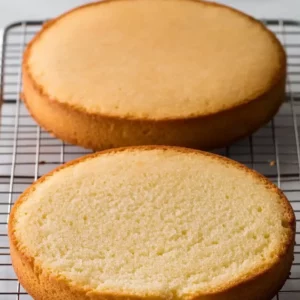
I still get that little thrill when I see the sponge rise just right — golden, domed, and smelling like heaven. Let them cool for about 5 minutes in the tins before transferring to a wire rack to cool completely.
Coming up next: how to layer and finish this classic beauty, plus a few extra tips for success. Ready for Part 2?
Filling, Finishing, and Foolproof Tips for a Flawless Victoria Sponge
Now that you’ve got those gorgeous sponge layers cooling on the wire rack, let’s move on to what I like to call the fun part — the filling! This is where our cake goes from “just baked” to tea-time showstopper. There’s nothing fancy here — just quality ingredients, a little care, and a whole lot of yum.
Step 6: Whip the Cream
While your cakes are cooling, go ahead and whip up your double cream. You’ll need 300ml of double cream, and I recommend using a stand mixer or hand beater for ease. You’re looking for soft peaks — thick enough to spread, but not stiff and over-whipped. (No one wants buttery cream, right?)
Tip: Make sure your cream is cold straight from the fridge before whipping. It helps it hold its shape better.
Step 7: Assemble Like a Pro
Once your sponges are fully cooled — and I mean fully — you can start assembling. If you rush this step, the cream can melt and ooze out the sides. (Been there, done that… not cute.)
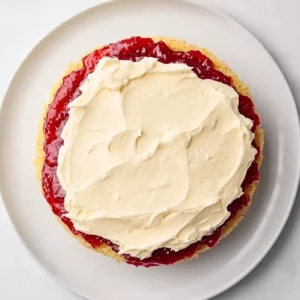
Here’s how to layer it up:
-
Place one sponge layer flat-side down on your serving plate or cake stand.
-
Spread a generous 4–5 tablespoons of strawberry jam across the top. Go right up to the edges!
-
Next, dollop and spread the whipped cream over the jam. Be gentle here so the layers don’t shift.
-
Top with the second sponge layer, this time flat-side up so you get that lovely smooth finish.
And finally, give it a good dusting of icing sugar. That snowy sprinkle on top is what really seals the deal and gives this cake its signature look.
Helpful Tips and Handy Variations
I’ve made this cake dozens of times, and along the way, I’ve picked up a few tips and little tweaks that make all the difference. Here are some you’ll want to keep in your back pocket:
✔️ Use Room Temperature Ingredients
It really makes a difference in how everything blends together. Cold butter and eggs can cause the batter to curdle, which messes with the texture of the sponge.
✔️ Don’t Overmix
Once you’ve added the flour, gentle folding is the way to go. You’re aiming for a light, airy batter — overmixing knocks out all that precious air.
✔️ Switch Up the Jam
Not a fan of strawberry? Raspberry jam is equally traditional and totally delicious. You could even try lemon curd for a zingy twist.
✔️ Add a Berry Boost
If you want to get a little fancy, you can add sliced fresh strawberries or raspberries in with the cream. Just make sure to eat it the same day, as fresh fruit shortens the shelf life.
✔️ Serve with Tea
Okay, this one isn’t required… but it’s highly recommended. A slice of Victoria Sponge and a hot cup of English breakfast tea? Absolute perfection.
One of the things I love most about this cake is how versatile it is. Whether you’re baking it for a birthday, a weekend treat, or a picnic in the park, it just works. No one turns down a slice of this beauty!
In the next section, we’ll tackle some frequently asked questions and wrap things up with a few final thoughts. Stay tuned — we’re almost there!
FAQ and Final Thoughts on This Classic British Bake
Before you head off to the kitchen with visions of fluffy sponge and strawberry jam, let’s answer some of the most common questions I get about making a Victoria Sponge Cake. Because even though this recipe is simple, a few good tips can really help make it foolproof.
FAQ: Victoria Sponge Cake Edition
1. Can I make this cake in advance?
Yes, you can! You can bake the sponge layers a day ahead and store them (completely cooled) in an airtight container at room temperature. Fill the cake with cream and jam the day you’re serving it for the freshest results.
2. Can I use whipped topping instead of double cream?
You can, especially if you’re looking for something that’s a little more stable for transport or warmer weather. Just keep in mind it won’t taste quite as rich as freshly whipped double cream.
3. What if I don’t have self-raising flour?
No worries! You can make your own by mixing 225g plain (all-purpose) flour with 2 teaspoons of baking powder. Just be sure to whisk them together well before using.
4. Can I freeze the sponge cake?
Yes! You can freeze the sponge layers (without filling) for up to a month. Wrap them tightly in plastic wrap and then in foil. Thaw at room temperature before assembling.
5. Why is my sponge dense instead of fluffy?
This could be due to overmixing or not creaming the butter and sugar long enough. Be sure to beat them until they’re really light and airy, and fold the flour in gently to keep the batter full of air.
6. Can I make this as a single-layer cake?
Sure! Just halve the recipe or use a larger tin if you don’t want the layered look. It’s not traditional, but it’ll still taste amazing.
7. How long will the finished cake keep?
Once filled with cream, the cake should be stored in the fridge and eaten within 2 days. The sponge can dry out a bit in the fridge, so I recommend letting it sit at room temperature for about 30 minutes before serving.
Final Thoughts: A Cake That Never Goes Out of Style
If you’re like me, you’ll find yourself coming back to this recipe again and again. There’s just something about a Victoria Sponge Cake — the simplicity, the flavor, the way it looks on a pretty cake stand — that never gets old. It’s the kind of cake that feels both fancy and comforting, all at once.
What I really love is that it’s so doable. No crazy decorating skills needed, no special ingredients — just a few pantry staples, a bit of love, and a little patience while it bakes. And the payoff? A soft, buttery sponge filled with jammy sweetness and fluffy cream. Absolute perfection.
If you try this recipe, I’d love to hear how it turned out for you! Let me know in the comments if you made any swaps or added your own twist. Did you go with raspberry jam? Add berries in the middle? Or maybe you kept it classic — just the way Queen Victoria would have liked it.
Either way, happy baking — and don’t forget to share a slice (or at least a photo) with someone you love.
Until next time,
— From my kitchen to yours 💛
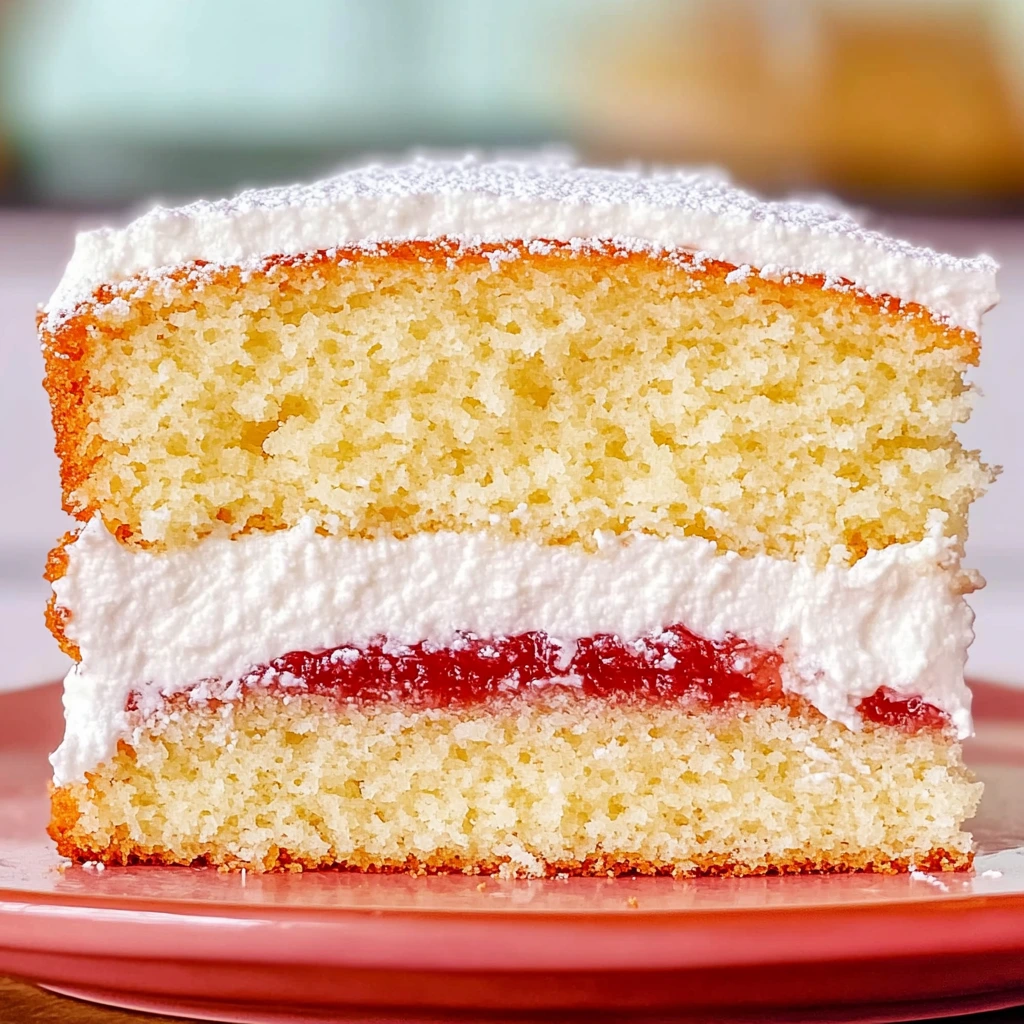
Classic Victoria Sponge Cake Recipe – Light, Fluffy, and Filled with Creamy Goodness
This Classic Victoria Sponge Cake recipe is a timeless British favorite, made with soft and fluffy sponge layers, sweet strawberry jam, and fresh whipped cream. Easy to make and perfect for any occasion, this traditional cake is a staple for tea time, birthdays, or casual get-togethers. Follow this foolproof recipe with helpful tips and variations to get the perfect bake every time.
Ingredients
- 225g self-raising flour
- 225g butter, softened
- 225g caster sugar
- 4 large eggs, beaten
- 1 tsp vanilla extract
- 1–2 tbsp milk (if needed)
- 4–5 tbsp strawberry jam
- 300ml double cream, whipped
- Icing sugar, for dusting
Instructions
- Preheat the Oven:Heat oven to 180°C (160°C fan). Grease and line two 20cm round cake tins with parchment paper.
- Cream Butter and Sugar:In a large bowl, beat softened butter and caster sugar until light and fluffy (about 3–5 minutes).
- Add Eggs and Vanilla:Gradually add the beaten eggs, mixing well after each addition. Stir in the vanilla extract.
- Fold in Flour:Sift in the self-raising flour and gently fold into the mixture. Add 1–2 tbsp milk if the batter is too thick. The batter should drop off the spoon easily.
- Bake the Cakes:Divide the batter evenly between the two tins. Bake for 20–25 minutes until golden and a toothpick comes out clean.
- Cool:Let the cakes cool in the tins for 5 minutes, then turn out onto a wire rack to cool completely.
- Assemble the Cake:Place one sponge layer on a serving plate. Spread with strawberry jam, then top with whipped cream. Add the second sponge layer on top.
- Finish:Dust the top of the cake with icing sugar and serve.