In this article
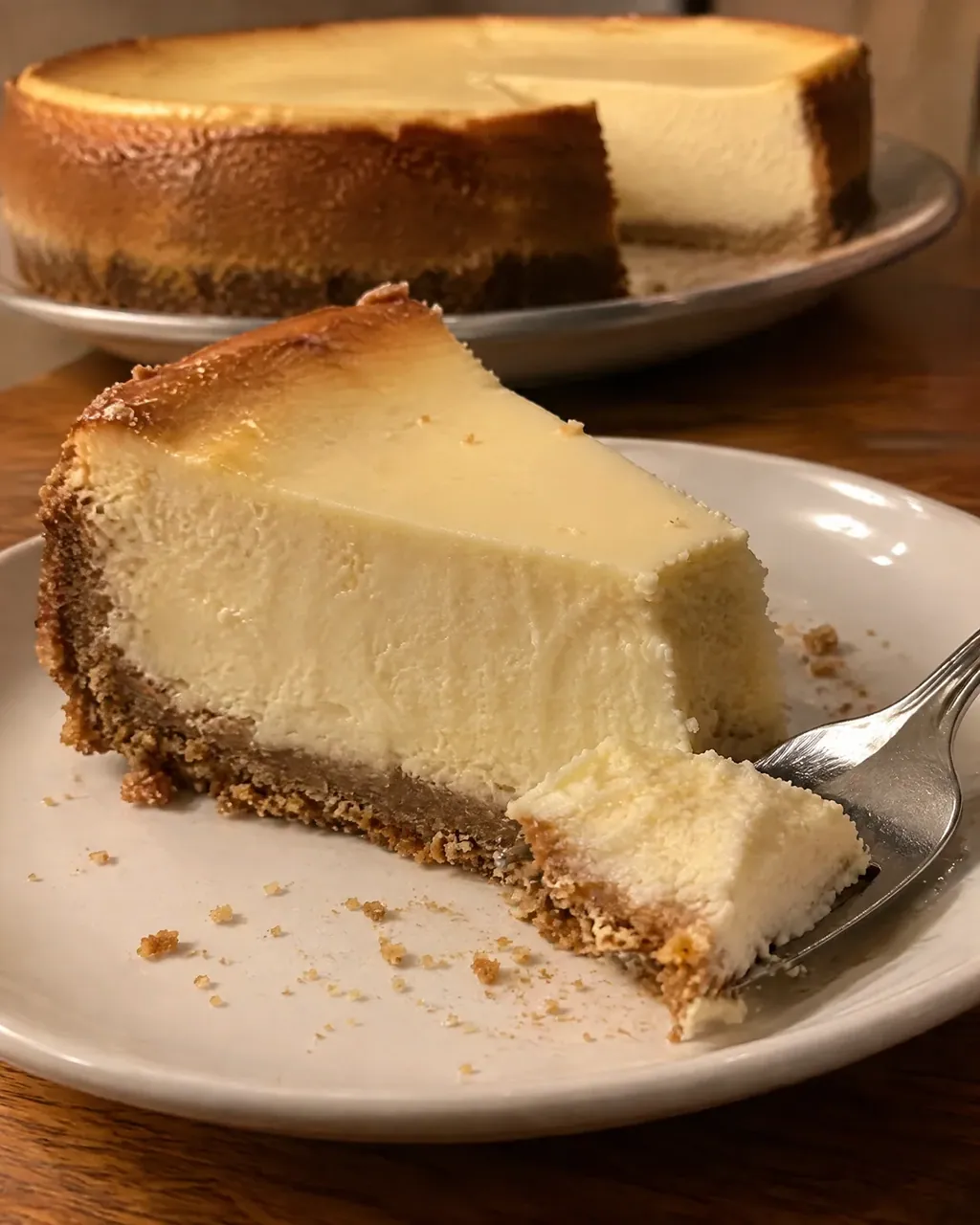
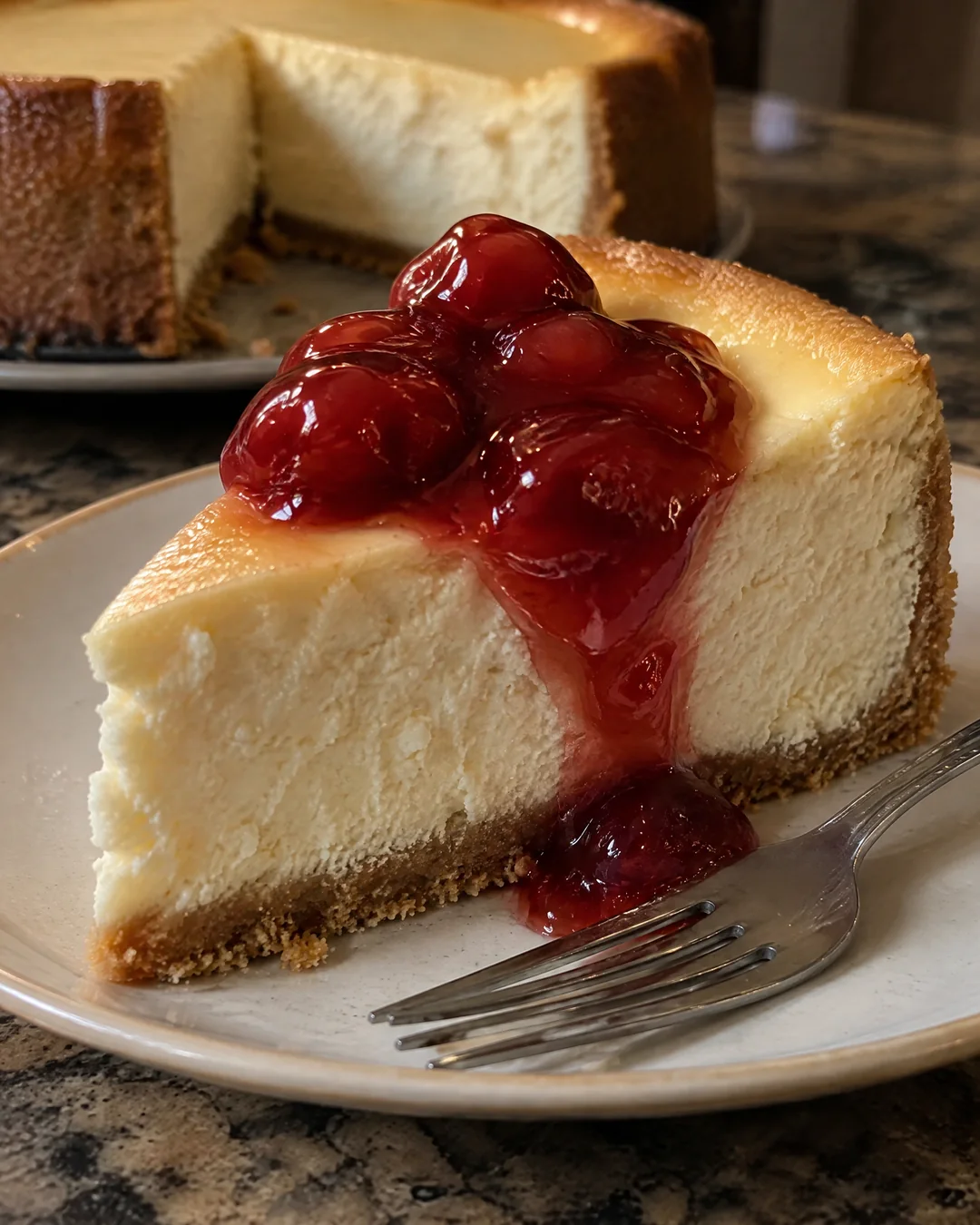
My mother made one cheesecake a year, for my father’s birthday, and it was the event of the table. Tall and dense and creamy all the way across, on a crisp graham cracker crust, and smooth on top like a plate. People would turn the cake stand around looking for the crack, the way you look for the wire in a magic trick. There was never one. When I asked her how, she said the cake was decided before it went into the oven and after it came out, and the baking in between was the easy part.
She had two rules. First, the mixer stays on low speed, the whole time, from the first block of cream cheese to the last egg. Air beaten into a cheesecake batter puffs up in the oven like a souffle and then falls as it cools, and the top splits on the way down. Second, the cheesecake cools slowly, inside the turned-off oven with the door propped open by a wooden spoon, for a full hour. A hot cheesecake carried straight to a cool counter shrinks too fast, pulls away from the sides and cracks. She never used a water bath and she never needed one.
Why this baked cheesecake works
- Low speed only. Less air in the batter means no rise and fall in the oven, which is the main cause of cracks.
- Three tablespoons of flour. A little flour steadies the filling so it sets creamy and holds its height.
- A gentle 325 degrees. The eggs set slowly and evenly, and the edges do not overcook while the center catches up.
- An hour in the cooling oven. The cake comes down in temperature slowly, so it does not shrink and split.
Ingredients
Makes one 9 inch cheesecake, 12 slices. The measurements are in US cups with grams in brackets.
For the crust
- 1 1/2 cups graham cracker crumbs (150g)
- 1/4 cup granulated sugar (50g)
- 6 tablespoons unsalted butter (85g), melted
For the filling
- Four 8 ounce blocks full-fat cream cheese (904g), softened
- 1 cup granulated sugar (200g)
- 3 tablespoons all-purpose flour (24g)
- 1 teaspoon vanilla extract
- 1 cup full-fat sour cream (240g), at room temperature
- 4 large eggs, at room temperature
Use block cream cheese, never the soft tub kind, and take it, the sour cream and the eggs out of the refrigerator two hours before you start. Cold cream cheese leaves lumps, lumps make you beat harder, and beating harder is how the crack begins. A 9 inch springform pan with sides at least 2 1/2 inches high is needed.
How to make baked cheesecake
- Heat the oven to 325°F (165°C). Mix the graham cracker crumbs, sugar and melted butter until it looks like wet sand. Press it firmly over the bottom of a 9 inch springform pan with the bottom of a glass. Bake 10 minutes and let it cool while you make the filling. Leave the oven on.
- In a large bowl, beat the cream cheese, sugar and flour with the mixer on LOW until completely smooth, scraping the bowl and the beaters twice. Take your time here; this is where the lumps go.
- Still on low, beat in the vanilla and the sour cream until blended.
- Add the eggs one at a time, on low, beating only until each one disappears into the batter. Stop the moment the last egg is mixed in.
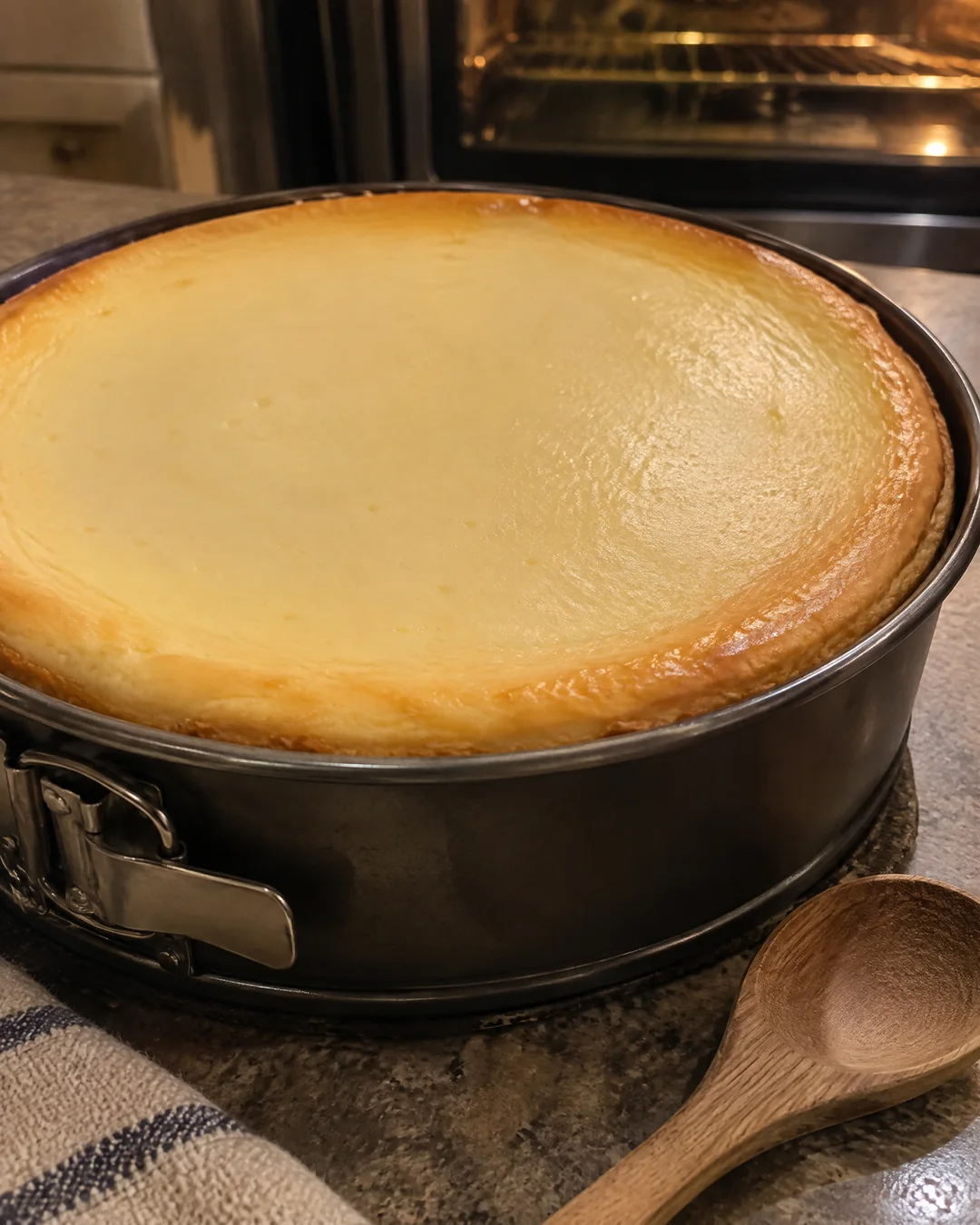
- Pour the filling over the crust and smooth the top. Tap the pan gently on the counter twice to bring up any bubbles.
- Bake at 325°F for 60 to 70 minutes, until the edges are set and slightly puffed and the center, about 3 inches across, still wobbles like gelled custard when you nudge the pan.
- Turn the oven OFF. Prop the door open with a wooden spoon and leave the cheesecake inside for 1 hour.
- Take it out, run a thin knife around the edge to free it from the pan, and let it cool on the counter until barely warm. Cover and refrigerate overnight, or at least 6 hours, before removing the ring and slicing.
Tips that make the difference
- Scrape the bowl often. A streak of unbeaten cream cheese at the bottom becomes a lump in the finished cake.
- Do not open the oven door during the first 50 minutes. A blast of cool air in the middle of baking can crack the top.
- Run the knife around the edge as soon as it comes out of the oven. As the cake cools it shrinks, and if it is stuck to the pan, it tears itself.
- Slice with a long knife dipped in hot water and wiped dry between every cut for clean, neat slices.
Variations
- Cherry topped. Spoon a cooked cherry topping over the chilled cheesecake just before serving, the way it was served at every diner.
- Lemon. Add the finely grated zest of one lemon and 1 tablespoon of lemon juice to the filling with the vanilla.
- Chocolate crust. Use chocolate wafer crumbs instead of graham cracker crumbs, with the same sugar and butter.
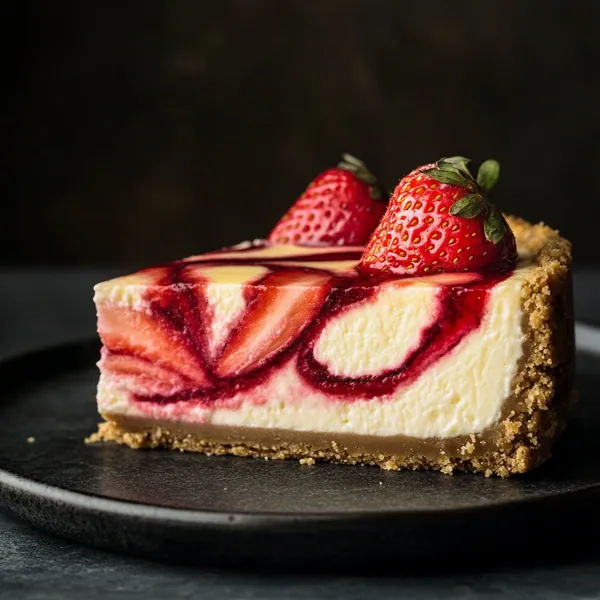
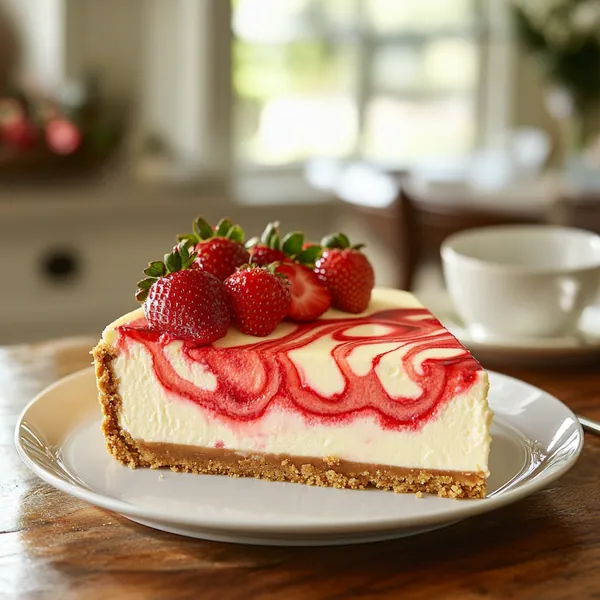
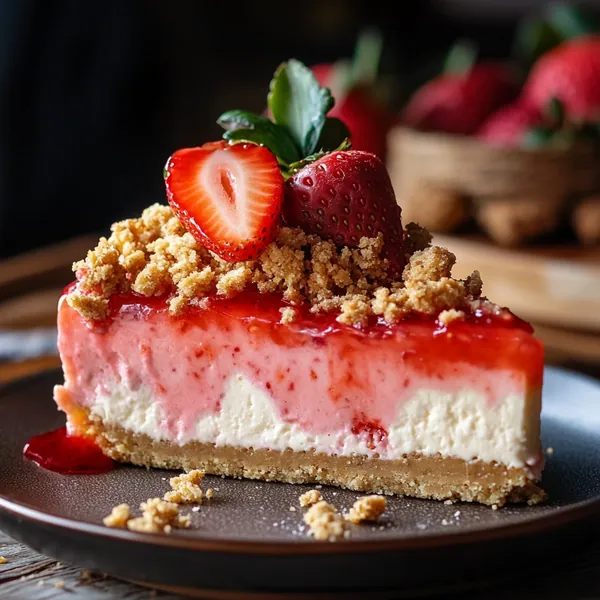
- Strawberry. Top with sliced fresh strawberries tossed with a spoonful of sugar an hour before serving.
Storage and make-ahead
Cheesecake keeps covered in the refrigerator for up to 5 days and is at its best on day two, when the texture is firm and creamy all the way through.
It freezes beautifully for up to 2 months. Chill it completely, then wrap the whole cake, or single slices, in plastic and foil. Thaw overnight in the refrigerator, still wrapped.
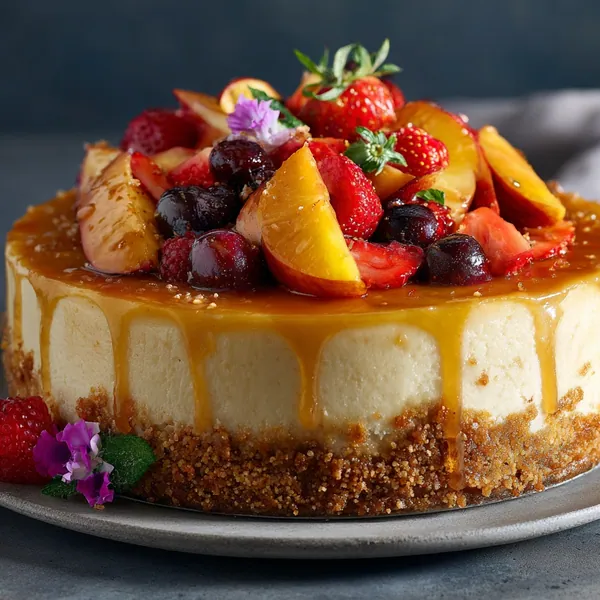
Add any fruit topping only just before serving, so it does not soak into the top.
Frequently asked questions
Why did my cheesecake crack?
Most often it was beaten too fast or too long, so air puffed it up and it fell, or it cooled too quickly. Beat on low only, stop as soon as the eggs are in, and cool it for an hour in the turned-off oven with the door propped open.
Do I need a water bath?
Not for this recipe. The low oven, the gentle mixing and the slow cooling do the job. A water bath helps when a cheesecake is baked hot or beaten hard, and it risks a soggy crust if the foil leaks.
How do I know when the cheesecake is done?
The outer edge looks set and slightly puffed, and a circle about 3 inches across in the center still wobbles when you gently nudge the pan. It finishes setting as it cools and chills.
Can I make it ahead?
It must be made ahead. It needs at least 6 hours in the refrigerator and is better after a full night, so bake it the day before you serve it.
Low speed, slow cooling, and a night in the refrigerator. That is the whole secret, and the top will be smooth enough to see your reflection in.
Classic Baked Cheesecake That Doesn't Crack (Graham Cracker Crust)
A tall, dense, creamy baked cheesecake on a graham cracker crust, made the old way with no water bath: beaten on low speed only, baked at 325 degrees for 60 to 70 minutes, cooled for an hour in the turned-off oven with the door propped open. Cups and grams.
Ingredients
- 1 1/2 cups graham cracker crumbs
- 1/4 cup granulated sugar
- 6 tablespoons unsalted butter (85g), melted
- Four 8 ounce blocks full-fat cream cheese (904g), softened
- 1 cup granulated sugar
- 3 tablespoons all-purpose flour
- 1 teaspoon vanilla extract
- 1 cup full-fat sour cream (240g), at room temperature
- 4 large eggs, at room temperature
Instructions
- Heat the oven to 325°F (165°C). Mix the graham cracker crumbs, sugar and melted butter until it looks like wet sand. Press it firmly over the bottom of a 9 inch springform pan with the bottom of a glass. Bake 10 minutes and let it cool while you make the filling. Leave the oven on.
- In a large bowl, beat the cream cheese, sugar and flour with the mixer on LOW until completely smooth, scraping the bowl and the beaters twice. Take your time here; this is where the lumps go.
- Still on low, beat in the vanilla and the sour cream until blended.
- Add the eggs one at a time, on low, beating only until each one disappears into the batter. Stop the moment the last egg is mixed in.
- Pour the filling over the crust and smooth the top. Tap the pan gently on the counter twice to bring up any bubbles.
- Bake at 325°F for 60 to 70 minutes, until the edges are set and slightly puffed and the center, about 3 inches across, still wobbles like gelled custard when you nudge the pan.
- Turn the oven OFF. Prop the door open with a wooden spoon and leave the cheesecake inside for 1 hour.
- Take it out, run a thin knife around the edge to free it from the pan, and let it cool on the counter until barely warm. Cover and refrigerate overnight, or at least 6 hours, before removing the ring and slicing.