In this article
Mac and cheese has long been celebrated as the ultimate comfort food, offering a creamy, cheesy indulgence that never fails to satisfy. While the classic cheddar-based version is beloved across generations, there’s a growing trend toward giving this traditional dish a gourmet twist. Enter Brie Mac and Cheese—a luxurious take that transforms an everyday favorite into an elegant, restaurant-worthy meal.
Brie, with its rich creaminess and subtle earthy notes, adds a depth of flavor that elevates mac and cheese beyond the ordinary. This combination is perfect for those who love the familiar warmth of macaroni and cheese but also crave a little sophistication in their cooking. Whether you’re hosting a dinner party, planning a cozy family meal, or simply looking to spoil yourself, Brie Mac and Cheese is a dish that feels special without being overly complicated.
What makes Brie Mac and Cheese truly appealing is its versatility. You can prepare it as a stovetop version for quick weeknight comfort or bake it with a golden, crispy topping for added texture. It also pairs beautifully with ingredients like garlic, herbs, truffle oil, or even lobster for a decadent twist.
In this guide, we’ll dive into what Brie cheese is, why it works so well in mac and cheese, the essential ingredients you’ll need, and a step-by-step recipe to help you create your own indulgent masterpiece. Once you’ve tried this version, it may just become your new go-to comfort dish.
What is Brie Cheese?
Brie is a soft cow’s milk cheese originating from France, often referred to as the “Queen of Cheeses.” Named after the Brie region where it was first produced, this cheese has been enjoyed for centuries and remains one of the most popular varieties worldwide. It is easily recognized by its creamy interior and thin, edible white rind, which is formed by a type of mold called Penicillium candidum.
The flavor of Brie is mild, buttery, and slightly earthy, making it both approachable and versatile. When young, it tends to be firm with a subtle flavor, but as it ripens, the interior becomes soft, almost gooey, with a richer, more pronounced taste. Unlike strong blue cheeses or sharp cheddars, Brie’s flavor is delicate, which makes it an excellent base for pairing with a wide range of dishes, from fruits and nuts to savory baked recipes.
One of Brie’s best qualities is its melting ability. When gently heated, it transforms into a silky, luscious consistency that blends beautifully with sauces. This is exactly why it works so well in mac and cheese—it adds creaminess without the need for excessive butter or cream.
Today, Brie is produced not only in France but also around the world, including versions from the United States and Australia. While authentic French Brie is often considered the gold standard, any high-quality Brie will add a gourmet edge to your macaroni and cheese, making it a standout dish on any table.
Why Choose Brie for Mac and Cheese?
Traditional mac and cheese recipes often call for cheddar, mozzarella, or gouda—but Brie offers something entirely different. Its unique qualities bring both flavor and texture that elevate the dish into something special.
The first reason to choose Brie is its luxurious creaminess. Few cheeses melt as seamlessly as Brie, creating a smooth, velvety sauce that coats every piece of pasta. This makes the final dish indulgent without being overly heavy.
Second, Brie has a distinct flavor profile that balances richness with subtle earthy notes. While cheddar provides sharpness and Parmesan adds nuttiness, Brie introduces a delicate, buttery taste that feels both comforting and refined. It makes mac and cheese suitable not just for casual dinners, but also for festive occasions or dinner parties.
Finally, Brie pairs beautifully with other ingredients. You can combine it with Gruyere for extra nuttiness, add a sprinkle of Parmesan for sharpness, or even complement it with caramelized onions or crispy bacon for a contrast of flavors. It also works with truffle oil, mushrooms, and even seafood like lobster for a gourmet upgrade.
By choosing Brie, you’re turning an everyday comfort food into an elevated dining experience—the perfect balance of nostalgia and sophistication.
Key Ingredients for Brie Mac and Cheese
The magic of Brie Mac and Cheese lies in the balance between creamy, indulgent flavors and the right supporting ingredients. Here’s what you’ll need:
1. Pasta:
The foundation of any mac and cheese. Elbow macaroni is classic, but cavatappi, shells, or penne also work well because their curves and ridges hold onto the sauce.
2. Brie Cheese:
The star of the dish. Choose a creamy, ripe Brie for maximum flavor. You can use it with or without the rind—keeping it adds a bit of earthy depth, while removing it makes the sauce extra smooth.
3. Supporting Cheeses:
While Brie can stand alone, pairing it with other cheeses enhances the flavor. Gruyere adds nuttiness, Parmesan brings saltiness, and sharp cheddar gives a little bite.
4. Dairy Base:
Milk or heavy cream forms the foundation of the sauce. Whole milk strikes a good balance, while cream makes it richer.
5. Butter and Flour (for Roux):
Essential for thickening the sauce. The roux ensures the cheese blends smoothly into a velvety consistency.
6. Flavor Enhancers:
Garlic, Dijon mustard, nutmeg, or a splash of white wine can add complexity without overpowering the Brie.
7. Toppings (Optional):
Breadcrumbs mixed with butter create a crispy baked crust. For extra indulgence, add herbs, crumbled bacon, or caramelized onions.
8. Seasonings:
Salt, black pepper, and fresh herbs like thyme or parsley round out the dish.
By combining these key ingredients thoughtfully, you create a macaroni and cheese that is rich, flavorful, and undeniably elegant.

Step-by-Step Recipe for Brie Mac and Cheese
Ingredients (serves 4–6):
-
1 lb pasta (elbows, shells, or cavatappi)
-
8 oz Brie cheese (rind removed if preferred)
-
1 cup shredded Gruyere or sharp cheddar (optional for balance)
-
½ cup grated Parmesan
-
3 tbsp unsalted butter
-
3 tbsp all-purpose flour
-
3 cups whole milk (or 2 cups milk + 1 cup cream for richness)
-
1 tsp Dijon mustard
-
½ tsp nutmeg (optional)
-
Salt and black pepper to taste
-
1 cup breadcrumbs + 2 tbsp melted butter (for topping, optional)
Instructions:
-
Cook the Pasta:
Bring a large pot of salted water to a boil. Cook pasta until just al dente (slightly firm), as it will continue to cook when combined with the sauce. Drain and set aside. -
Make the Roux:
In a medium saucepan, melt butter over medium heat. Add flour and whisk constantly for 1–2 minutes until it forms a smooth paste and has a slightly nutty aroma. -
Add Milk:
Gradually whisk in the milk, about ½ cup at a time, ensuring the mixture stays smooth. Continue cooking until it thickens into a creamy béchamel sauce. -
Incorporate Flavorings:
Stir in Dijon mustard, nutmeg (if using), and a pinch of salt and pepper. -
Melt the Cheese:
Lower the heat and add Brie, Gruyere, and Parmesan. Stir until completely melted into a silky sauce. Taste and adjust seasoning. -
Combine with Pasta:
Add the cooked pasta to the sauce and mix until every piece is well coated. -
Stovetop Version:
Serve immediately for a creamy, indulgent dish. -
Baked Version (Optional):
Transfer pasta mixture to a greased baking dish. Mix breadcrumbs with melted butter and sprinkle on top. Bake at 375°F (190°C) for 20–25 minutes until golden brown and bubbling.
Serving Tip: Garnish with fresh parsley, cracked black pepper, or even a drizzle of truffle oil for extra elegance.
Variations of Brie Mac and Cheese
One of the best things about Brie Mac and Cheese is how versatile it can be. By making a few tweaks, you can transform the dish into something suited for casual dinners, holiday gatherings, or even gourmet restaurant-style meals. Here are some popular variations:
1. Baked Brie Mac and Cheese
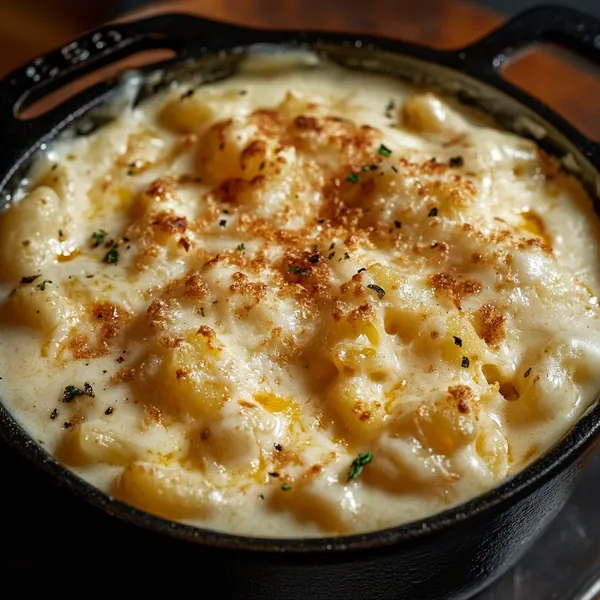
A classic twist that adds crunch. Once the pasta is coated in the cheese sauce, transfer it to a casserole dish, sprinkle with buttery breadcrumbs, and bake until golden. The crispy topping contrasts perfectly with the creamy interior.
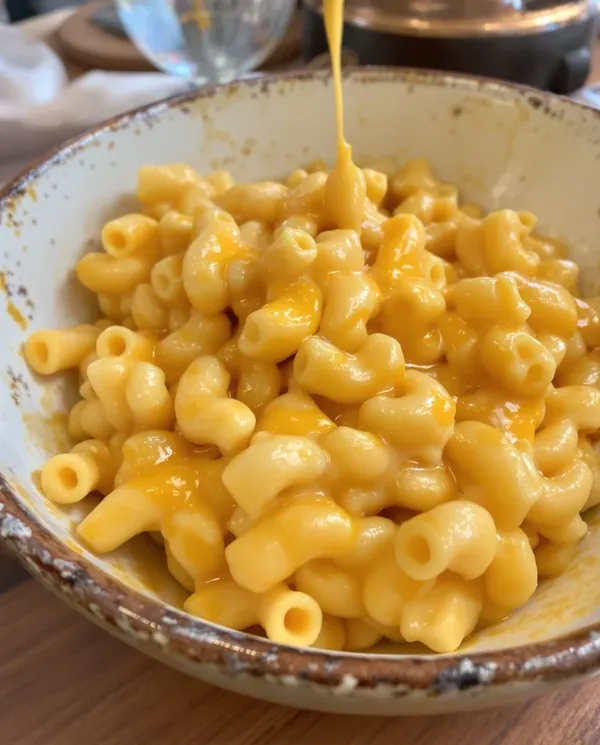
2. Stovetop Creamy Brie Mac and Cheese
Skip the oven for a quick weeknight dinner. This method keeps the sauce extra silky, perfect for when you want indulgence without the wait.
3. Truffle Brie Mac and Cheese
Drizzle a little truffle oil or add shaved truffles to elevate the flavor. This is an excellent option for dinner parties or date nights when you want to impress.
4. Seafood Brie Mac and Cheese
Mix in chunks of lobster, crab, or shrimp for a luxurious seafood version. Brie pairs beautifully with the sweet, delicate taste of shellfish.
5. Vegetarian Brie Mac and Cheese
Add sautéed mushrooms, spinach, or caramelized onions for a hearty, veggie-packed variation. The earthiness of mushrooms complements Brie’s creaminess perfectly.
6. Brie and White Wine Mac and Cheese
Incorporating a splash of dry white wine into the sauce creates a subtle depth of flavor and enhances Brie’s natural tanginess.
7. Bacon or Pancetta Brie Mac and Cheese
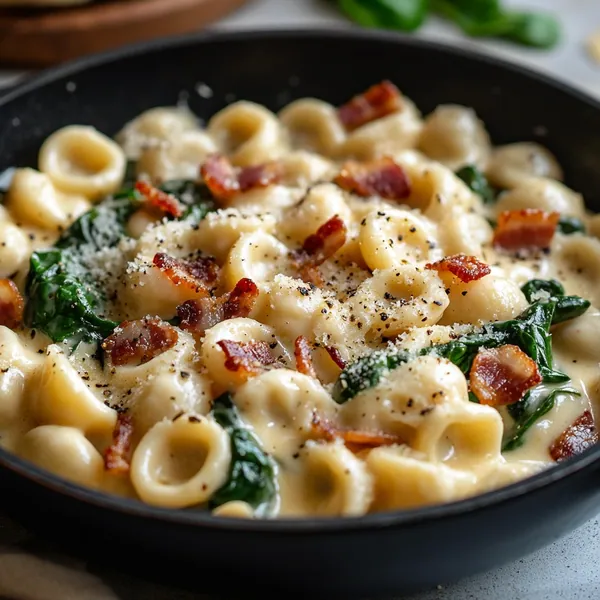
For those who enjoy a savory punch, add crispy bacon or pancetta. The salty crunch balances Brie’s rich creaminess beautifully.
Whether you keep it simple or dress it up with premium ingredients, Brie Mac and Cheese adapts easily to different tastes and occasions.
Tips for the Best Brie Mac and Cheese
Making Brie Mac and Cheese might sound simple, but there are a few tricks that ensure it turns out creamy, flavorful, and perfectly balanced every time.
1. Choose Quality Brie
Look for a soft, ripe Brie that feels slightly springy when pressed. Overripe Brie can be too pungent, while underripe Brie may not melt as smoothly.
2. Remove the Rind (Optional)
The rind is edible and adds earthy notes, but if you want a silky-smooth sauce, trim it off before melting. A half-and-half approach—keeping some rind for flavor but removing most—also works well.
3. Cook Pasta Al Dente
Slightly undercook your pasta before mixing it with the sauce. This prevents mushiness, especially if you plan to bake the dish.
4. Use a Roux for Stability
Brie alone can sometimes separate into oil and solids. Starting with a roux (butter + flour) and then adding milk ensures the cheese sauce stays emulsified and creamy.
5. Balance Flavors
Because Brie is mild, pair it with a stronger cheese like Gruyere, Cheddar, or Parmesan. This prevents the sauce from tasting flat and adds depth.
6. Reheating with Care
Brie Mac and Cheese is best fresh, but if reheating, add a splash of milk or cream to restore creaminess. Heat gently on the stovetop rather than in the microwave to avoid clumping.
By following these tips, your Brie Mac and Cheese will come out indulgent, balanced, and consistently delicious.

Serving Suggestions
Brie Mac and Cheese is rich and satisfying, so pairing it with the right accompaniments helps balance the meal.
For side dishes, consider a crisp green salad with vinaigrette, roasted vegetables like broccoli or asparagus, or garlic bread for an extra indulgence. If serving for a holiday or special occasion, pair it with glazed ham, roast chicken, or even beef tenderloin.
When it comes to drinks, wine is a natural partner. A buttery Chardonnay enhances Brie’s creaminess, while a light Pinot Noir or sparkling wine balances the richness. For non-alcoholic options, sparkling water with lemon or apple cider works well.
To elevate presentation, top each serving with fresh herbs, toasted breadcrumbs, or a drizzle of truffle oil. This simple touch makes the dish look restaurant-worthy, even if you’ve prepared it at home.
Nutritional Information
Brie Mac and Cheese is undoubtedly indulgent, but knowing its nutritional profile helps you enjoy it mindfully.
A typical serving (about 1 cup) contains:
-
Calories: 450–550
-
Protein: 14–18 g
-
Fat: 25–30 g
-
Carbohydrates: 35–40 g
-
Calcium: 20–25% of daily value
The dish is high in protein and calcium thanks to the cheese, but it’s also rich in fat and calories. To lighten it up, consider using:
-
Whole wheat pasta or high-protein pasta.
-
A milk-based sauce instead of heavy cream.
-
Reduced-fat Brie or a smaller portion of cheese.
-
Extra vegetables like spinach or broccoli to increase fiber.
While not an everyday meal for those watching calories, Brie Mac and Cheese makes an excellent occasional treat that balances indulgence with comfort.
FAQs (People Also Ask)
Can you eat the rind of Brie in mac and cheese?
Yes, the rind is edible and adds earthy notes. However, if you prefer a smooth sauce, you can remove it before melting.
Does Brie melt well for mac and cheese?
Brie melts beautifully, creating a silky sauce. To avoid separation, make a roux and melt Brie gently on low heat.
Can I substitute Brie with Camembert?
Yes, Camembert has a similar texture and flavor. It will create a comparable creamy sauce with slightly stronger earthy undertones.
How do you keep Brie Mac and Cheese creamy?
Prevent clumping by whisking the cheese into a béchamel base rather than adding it directly to hot pasta. Avoid overheating.
Can you freeze Brie Mac and Cheese?
It’s possible, but not ideal. The sauce may separate upon reheating. If freezing, undercook the pasta slightly and reheat gently with added cream.
What is the best pasta shape for Brie Mac and Cheese?
Elbow macaroni is classic, but cavatappi, shells, or penne are great alternatives since they hold onto the creamy sauce.
Conclusion
Brie Mac and Cheese is more than just a comfort food—it’s a celebration of indulgence and elegance in a single dish. By blending the creamy, buttery notes of Brie with the familiar coziness of macaroni and cheese, you create a meal that is both nostalgic and sophisticated.
Whether you enjoy it as a quick stovetop dinner, a baked casserole with a golden crust, or a gourmet variation with truffle or lobster, this recipe adapts beautifully to different tastes and occasions. With the right tips, high-quality ingredients, and thoughtful pairings, Brie Mac and Cheese can easily become a signature dish in your kitchen.

Brie Mac and Cheese
This Brie Mac and Cheese is a creamy, indulgent twist on the classic comfort food. Featuring rich Brie cheese blended with a silky béchamel sauce, it delivers a luxurious, buttery flavor that elevates traditional mac and cheese into something truly gourmet. Perfect for weeknight dinners, holiday gatherings, or dinner parties, this dish is versatile enough to serve as a main course or a decadent side. Customize it with toppings like breadcrumbs, herbs, or crispy bacon, or keep it simple and enjoy the creamy goodness as-is.
Ingredients
- 8 ounces elbow macaroni
- 1 cup Brie cheese, rind removed and chopped
- 2 cups milk (whole or 2%)
- 2 tablespoons unsalted butter
- 2 tablespoons all-purpose flour
- 1 teaspoon garlic powder
- 1 teaspoon onion powder
- ½ teaspoon salt
- ¼ teaspoon black pepper
- ½ cup grated Parmesan cheese
- Optional: chopped parsley or chives for garnish
Instructions
- Cook the Pasta: In a large pot, bring salted water to a boil. Add the macaroni and cook until al dente according to package instructions. Drain and set aside.
- 2. Make the Roux: In a medium saucepan, melt the butter over medium heat. Once melted, whisk in the flour and cook for about 1-2 minutes until bubbly.
- . Add the Milk: Gradually whisk in the milk and allow the mixture to come to a simmer. Cook until slightly thickened, about 4-5 minutes. 4
- Season the Sauce: Stir in garlic powder, onion powder, salt, and black pepper. Mix well. 5.
- Reduce heat to low, then add the chopped Brie cheese and stir until melted. Remove from heat.
- b>Combine Pasta with Sauce: Add the drained macaroni to the cheese sauce and stir until well combined. 7. <
- >Add Parmesan: Stir in the grated Parmesan cheese for added richness. 8.
- Transfer to Baking Dish (optional): For a baked version, transfer the mac and cheese to a greased 9×13-inch baking dish. 9. B
- ke (optional): Preheat the oven to 350°F (175°C) and bake for 15 minutes until bubbly and golden. 10. Gar
- ish: If desired, garnish with chopped parsley or chives before serving.