In this article
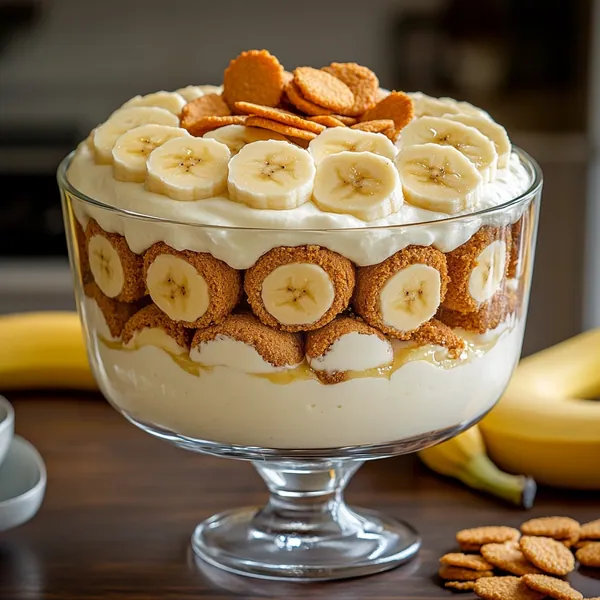
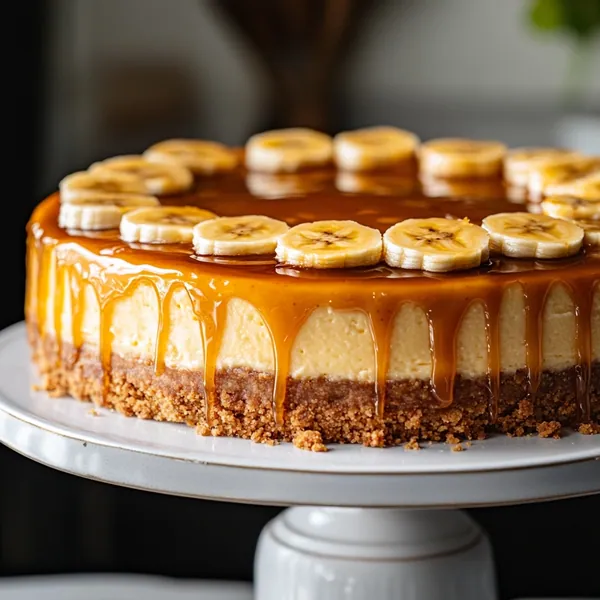
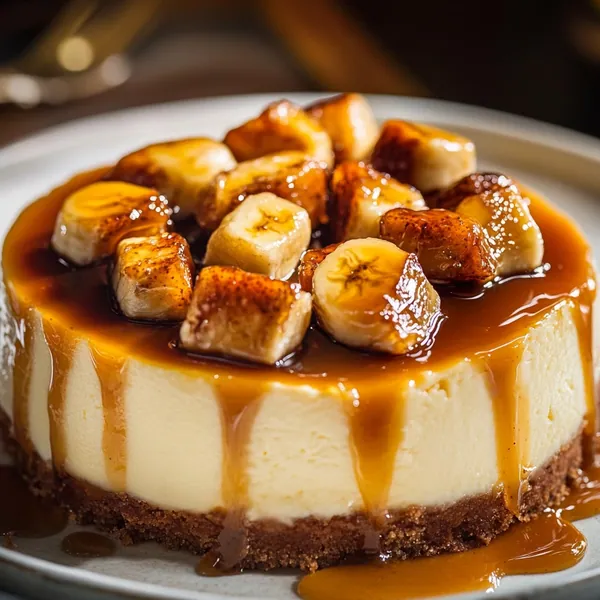
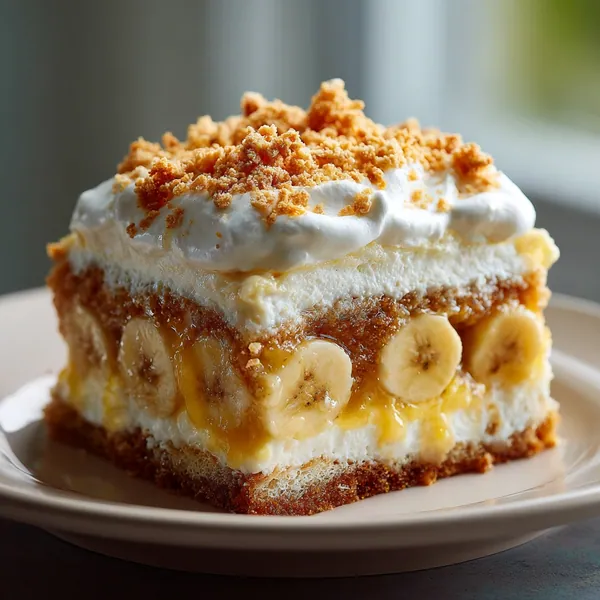
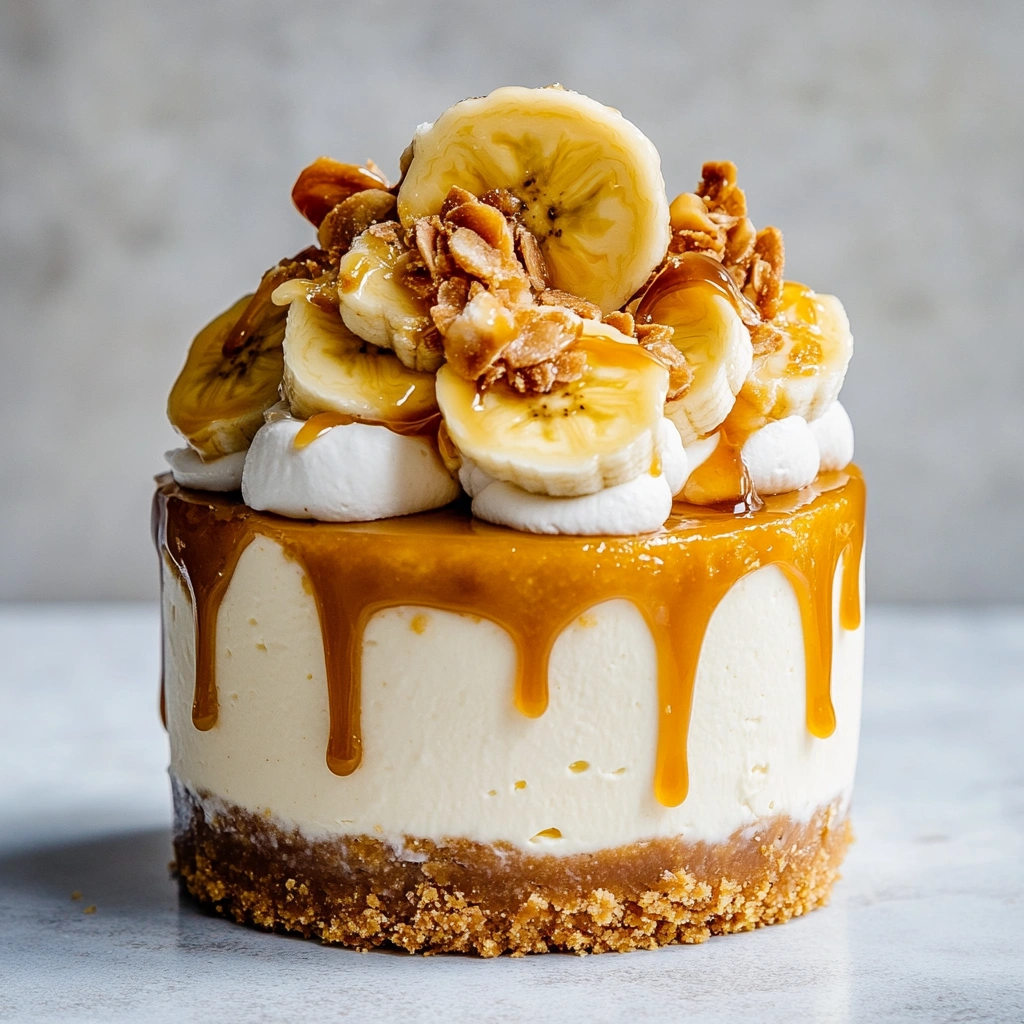
Banana Pudding Cheesecake marries two beloved desserts—rich, creamy cheesecake and the nostalgic, fruity layers of banana pudding—into a single, show-stopping treat. What sets this dessert apart is its balance of textures: the velvety cheesecake layer contrasts with the tender banana pudding, while a crisp graham-cracker crust provides a buttery foundation. Every forkful delivers familiar vanilla and banana flavors heightened by the tang of cream cheese and hints of vanilla extract.
This hybrid dessert resonates with home cooks and pastry chefs alike because it brings together approachable ingredients in an elegant presentation. Unlike a traditional banana pudding served in a simple dish, this version is elevated by baking the cheesecake layer and chilling it to achieve the perfect slice. The result is a dessert that feels festive enough for gatherings yet comforting enough for a cozy night in.
In this article, you’ll discover where each component originated, why specific ingredients matter, and how to prepare every layer from scratch. You’ll also learn essential tips to prevent common pitfalls—like cracks in the cheesecake or a soggy crust—and advanced tricks for flavor enhancements. By the end, you’ll have everything you need to bake, assemble, and present a Banana Pudding Cheesecake that delights the eye and palates of family and guests alike.
Origins & History
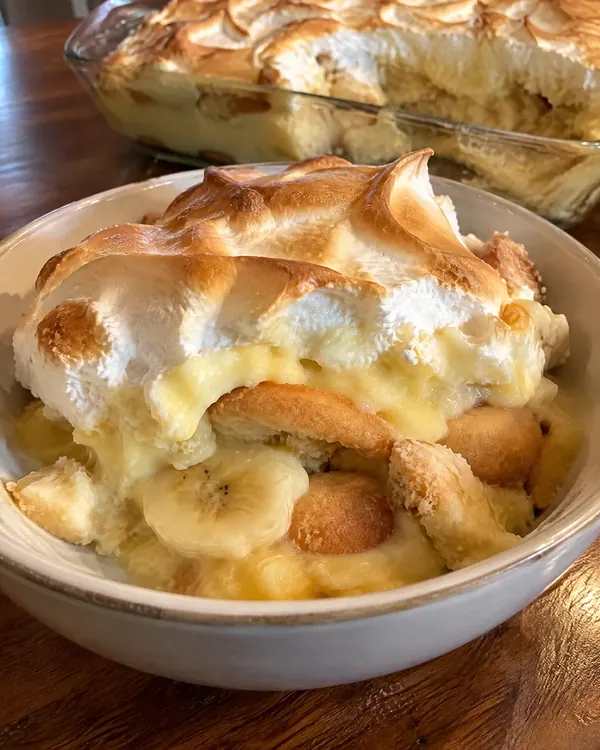
The story of Banana Pudding Cheesecake traces back to two separate culinary traditions that found common ground in American kitchens. Banana pudding itself emerged in the late 19th century as a variation of English trifle, adapting local ingredients—bananas imported from the Caribbean and vanilla-flavored custard. By the 1920s, boxed vanilla pudding mixes made the dessert even more accessible, and layered banana pudding with vanilla wafers became a staple of Southern hospitality.
Cheesecake’s roots date millennia earlier, with ancient Greeks mixing cheese with honey for a celebratory cake. The modern American-style cheesecake evolved in New York in the early 20th century when cream cheese replaced traditional farmer’s cheese. This resulted in the ultra-smooth, tangy‐rich profile that defines cheesecake today. By mid-century, cream cheese manufacturers began promoting cheesecake recipes, cementing its status as an American classic.
Bringing these two favorites together has become a trend in contemporary baking blogs and dessert menus, offering both nostalgia and novelty. The earliest published recipes for Banana Pudding Cheesecake appeared in foodie magazines in the early 2000s, inspired by hybrid desserts like pumpkin-pie–cheesecake. Social media and recipe-sharing platforms have since propelled its popularity, showcasing variations that incorporate ripe bananas, homemade custard, and decorative banana slices to highlight freshness. Today, Banana Pudding Cheesecake stands as a testament to American ingenuity in the kitchen—a perfect fusion of heritage desserts and modern technique.

Key Ingredients Breakdown
Creating the ideal Banana Pudding Cheesecake depends on selecting high-quality ingredients that fulfill distinct roles in flavor, texture, and structure.
Cream Cheese. The backbone of any cheesecake, full-fat cream cheese provides the tang and smooth mouthfeel essential for a rich filling. Lower-fat versions can lead to a grainy texture, so opt for full-cream blocks.
Ripe Bananas. Choose bananas that are yellow with brown speckles—firm enough to slice cleanly yet sweet. Overripe bananas can be mashed into the pudding layer for intensified banana flavor, but overly soft bananas may introduce excess moisture.
Instant Vanilla Pudding Mix. This shortcut delivers a plush pudding layer without making custard from scratch. It also helps stabilize the cheesecake by absorbing some of the liquid released by bananas. For from-scratch purists, a custard of egg yolks, sugar, milk, and cornstarch can be substituted.
Graham Cracker Crust. A blend of crushed graham crackers, melted butter, and a touch of sugar forms a crunchy base that contrasts with the creaminess above. Press firmly into the pan to prevent crumbling. Alternative crusts—like crushed vanilla wafers or gluten-free cookies—can be used for dietary needs.
Sugar and Eggs. Granulated sugar sweetens the cheesecake, while eggs bind the filling and contribute to its structure. Use large eggs at room temperature to ensure even incorporation and minimize lumps.
Vanilla Extract and Banana Extract (Optional). Pure vanilla extract enhances warmth and depth; a few drops of banana extract can amplify banana notes without adding moisture.
Sour Cream or Heavy Cream. Often folded into the cheesecake batter for added creaminess and slight tang. Sour cream also helps minimize cracking by introducing acidity, which balances the pH.
Each ingredient works in concert: the crust sets the stage, the pudding layer introduces banana flavor and stability, and the cheesecake filling crowns the dessert with richness and structure.
Equipment & Prep Work
Having the right tools and doing a bit of prep ensures smooth assembly and consistent results.
Springform Pan (9-inch). Its removable sides make it easy to unmold the delicate cheesecake without damaging its edges.
Electric Mixer. A stand mixer or hand mixer with whisk and paddle attachments allows for thorough, low-speed mixing that minimizes air bubbles in the batter.
Mixing Bowls. Two medium bowls—one for pudding assembly, one for cheesecake batter—plus one small bowl for whisking eggs.
Offset Spatula and Rubber Spatula. An offset spatula helps level each layer; a rubber spatula ensures you scrape every bit of batter from the bowl.
Aluminum Foil. For wrapping the pan during a water bath to prevent water infiltration.
Water Bath (Bain-Marie). A roasting pan or deep baking dish that can hold hot water to surround the springform pan, promoting even heat and crack prevention.
Prep Steps. Preheat the oven to 325°F (162°C) and position a rack in the lower third. Soften cream cheese and eggs to room temperature. Line the bottom of the springform pan with parchment paper and lightly grease the sides. Crush graham crackers to fine crumbs and measure melted butter. Slice bananas just before layering to prevent browning.
Step-by-Step Recipe
-
Prepare the Crust.
-
In a medium bowl, combine 1½ cups (150 g) graham cracker crumbs, 5 Tbsp (70 g) melted unsalted butter, and 2 Tbsp (25 g) granulated sugar.
-
Stir until evenly moistened. Press firmly into the bottom (and ¼-inch up the sides) of a 9-inch springform pan.
-
Chill in the refrigerator while you make the filling.
-
-
Make the Banana Pudding Layer.
-
In a bowl, whisk together one 3.4-oz (96 g) packet of instant vanilla pudding mix and 2 cups (480 mL) cold whole milk until smooth.
-
Fold in 1 cup (150 g) diced ripe bananas.
-
Spread the pudding evenly over the chilled crust and refrigerate for 10 minutes to set slightly.
-
-
Blend the Cheesecake Filling.
-
In the bowl of your mixer, beat 24 oz (680 g) full-fat cream cheese on low until smooth, about 2 minutes.
-
Gradually add 1 cup (200 g) granulated sugar and beat until fully incorporated, scraping down sides.
-
Add 3 large eggs one at a time, mixing on low speed until just combined.
-
Mix in ½ cup (120 mL) sour cream, 1 tsp pure vanilla extract, and ½ tsp banana extract (if using). Avoid overmixing to reduce air incorporation.
-
-
Assemble and Bake.
-
Pour the cheesecake batter over the pudding layer, smoothing the top with an offset spatula.
-
Wrap the bottom and sides of the pan in two layers of aluminum foil.
-
Place the pan in a roasting pan and pour hot water into the outer pan until it reaches halfway up the springform sides.
-
Bake at 325°F (162°C) for 55–65 minutes, or until the edges are set and the center jiggles slightly when nudged.
-
-
Cool and Chill.
-
Turn off the oven and leave the door ajar for 1 hour to cool gradually.
-
Remove the cheesecake from the water bath, unwrap foil, and cool completely on a wire rack.
-
Refrigerate for at least 6 hours or overnight before unmolding and serving.
-