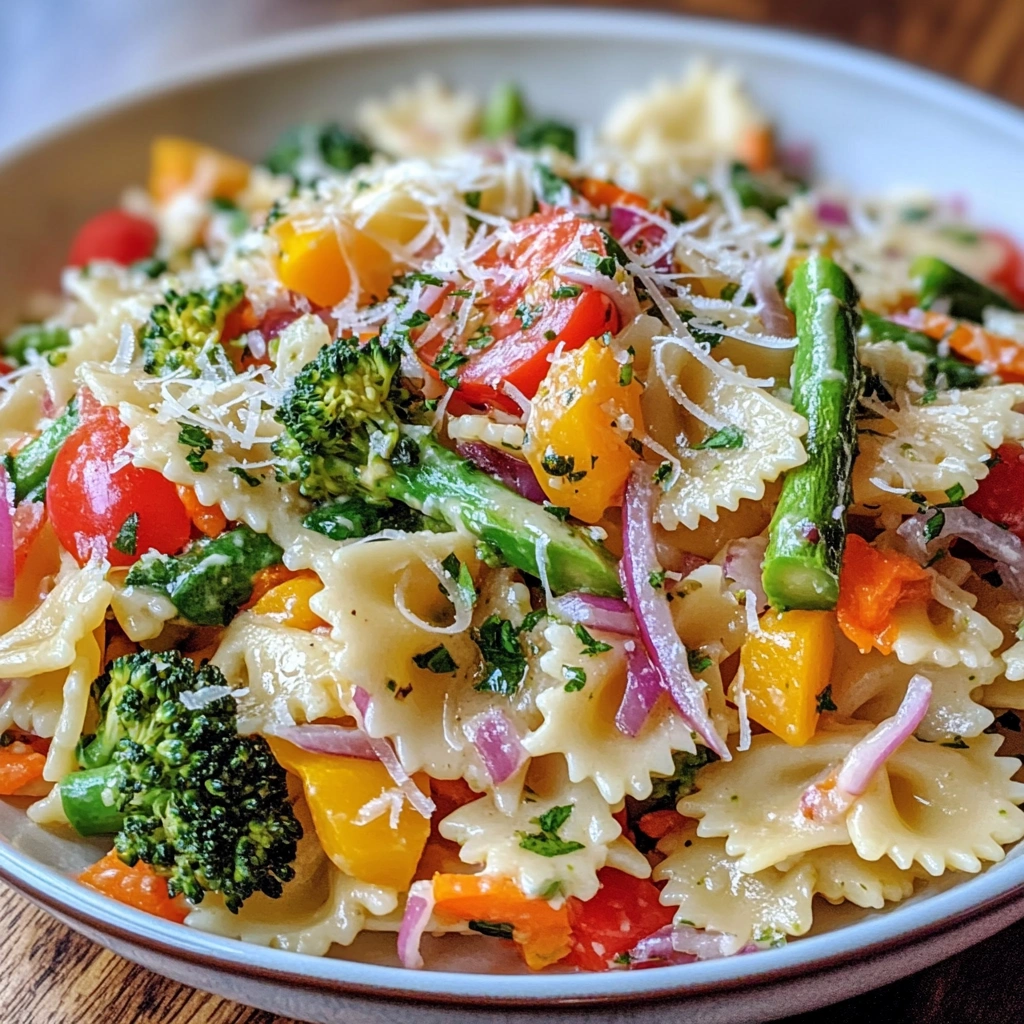
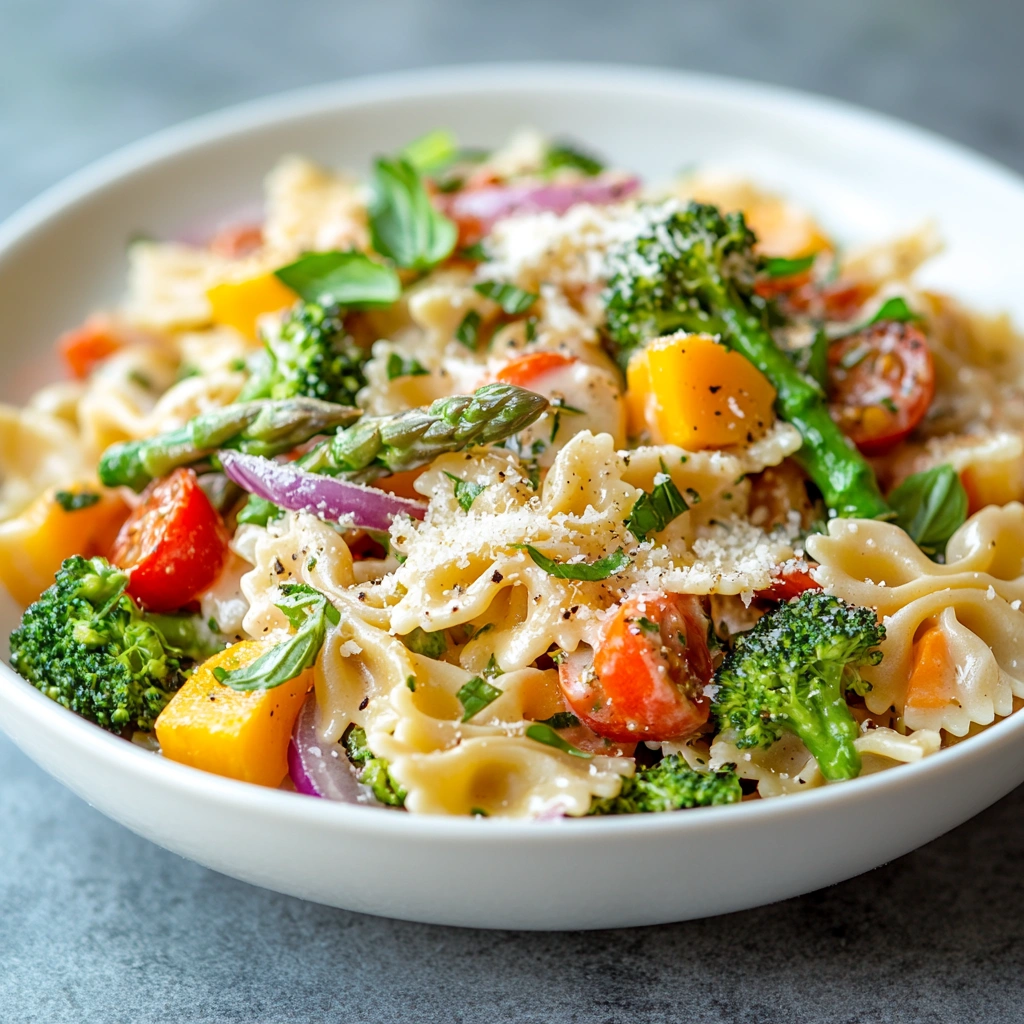
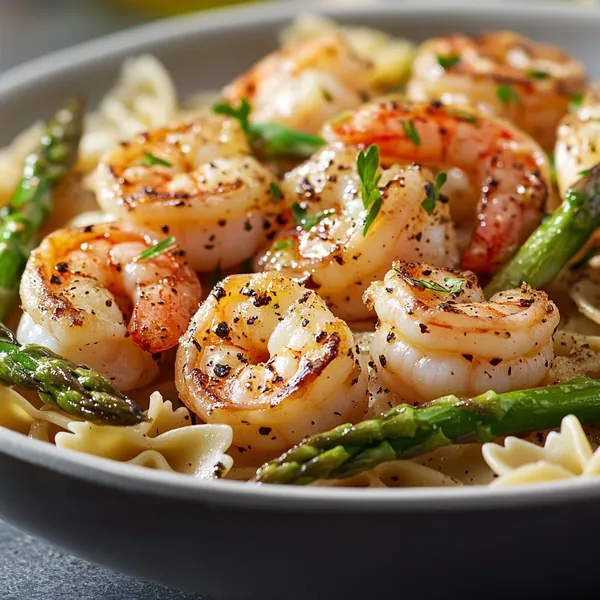
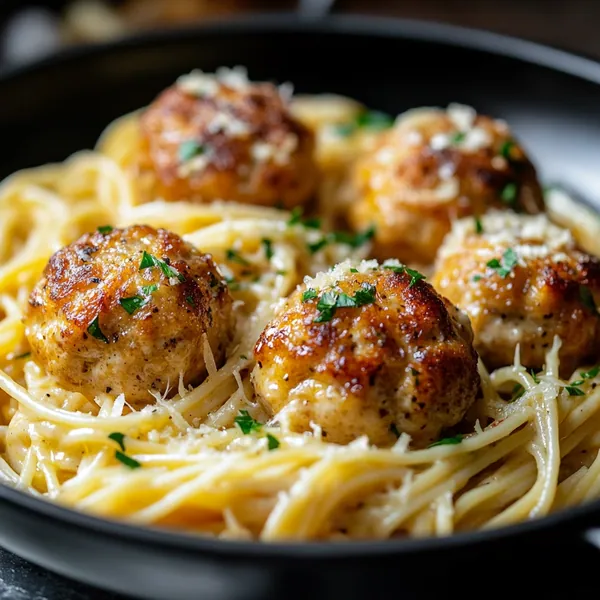
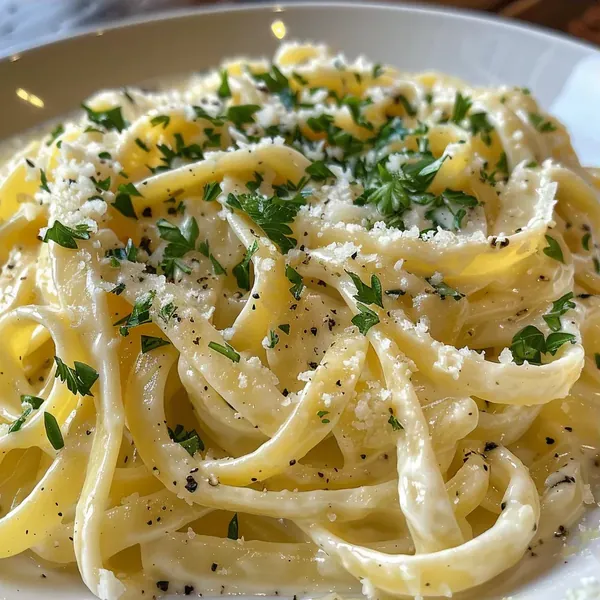
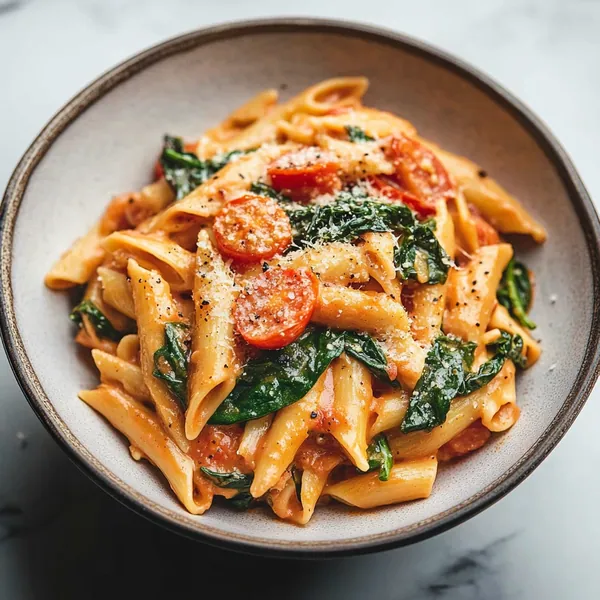
Alfredo Pasta Primavera combines the rich, velvety flavors of classic Alfredo sauce with a vibrant mix of garden-fresh vegetables for a dish that feels both indulgent and light. Tender fettuccine (or your favorite pasta shape) is coated in a silky emulsion of butter, heavy cream, and freshly grated Parmesan, then…
Alfredo Pasta Primavera brings together the luxuriously creamy richness of traditional Alfredo sauce with the bright, crisp flavors of spring vegetables. This dish elevates the classic fettuccine Alfredo by folding in a colorful medley of seasonal produce—think tender asparagus tips, sweet peas, vibrant bell peppers, and zucchini ribbons—that add both texture and nutritional value. Unlike heavier pasta dishes, Primavera variations often feel lighter on the palate while still delivering indulgent satisfaction through a velvety sauce made from butter, heavy cream, and freshly grated Parmesan cheese. Whether you’re entertaining guests, cooking for a family weeknight meal, or seeking a restaurant-worthy dish at home, Alfredo Pasta Primavera offers a perfect balance of comfort and freshness. In this article, you’ll learn the history of both Alfredo sauce and pasta primavera, explore key ingredients and their roles, prepare like a pro with essential tools and techniques, and follow a step-by-step recipe that guarantees restaurant-quality results every time.
History & Origin
The story of Alfredo Pasta Primavera is actually two intertwined culinary narratives. Alfredo sauce itself dates back to 1914 in Rome, when restaurateur Alfredo di Lelio created a simple dish of fresh pasta tossed with melted butter and Parmesan cheese to help his wife regain her appetite after childbirth. He later opened “Alfredo alla Scrofa,” where the dish became famous—especially after Hollywood stars Douglas Fairbanks and Mary Pickford sampled it during their honeymoon in 1920 and brought its legend back to America.
Pasta primavera, by contrast, has North American roots. In the early 1970s, the owner of the New York City restaurant Le Moulin de Mougins, Sirio Maccioni, is credited with inventing the concept of combining pasta with lightly cooked vegetables in a butter-cream sauce. The idea reportedly came when he and his team improvised a springtime pasta featuring fresh market produce for visiting VIPs. The freshness of the vegetables—blanched or sautéed to retain crunch—was the defining feature.
Over time, home cooks and chefs alike began merging these two traditions. The creamy Alfredo sauce provided a luxurious coating that elevated the garden-fresh vegetables of pasta primavera. Today, Alfredo Pasta Primavera enjoys popularity in bistros and family kitchens alike, prized for its versatility: you can swap in any assortment of seasonal vegetables, adjust the richness of the sauce, or add proteins without losing the dish’s inherent balance of indulgence and brightness.
Key Ingredients & Their Roles
Pasta
Type: Fettuccine or linguine are traditional choices, thanks to their flat, broad strands that hold creamy sauces well. Penne or rigatoni also work, with their tubular shapes trapping vegetables and sauce in every bite.
Role: Serves as the neutral canvas, absorbing sauce and providing chew.
Butter, Cream & Cheese
Butter: Unsalted is preferred to control seasoning; it forms the flavor base and lends silkiness.
Heavy cream: Provides body and stability to the sauce, preventing it from breaking when heated.
Parmesan cheese: Freshly grated Parmigiano-Reggiano melts smoothly, contributes umami depth, and thickens the sauce through its proteins.
Seasonal Vegetables
Asparagus & Peas: Deliver sweet, grassy notes and a pop of color.
Zucchini or Yellow Squash: Offer mild flavor and tender bite when sliced into ribbons or half-moons.
Bell Peppers: Red, yellow, or orange add crunch, sweetness, and visual appeal.
Aromatics & Herbs
Garlic: Sautéed briefly in butter, it infuses the sauce with savory warmth.
Herbs: Fresh parsley or basil stirred in at the end brightens the dish with freshness and fragrance.
Seasonings
Salt: Essential for seasoning pasta water and sauce.
Black pepper: Freshly ground for a mild heat that complements creaminess.
Nutmeg (optional): A pinch can enhance the richness of the Alfredo sauce without overwhelming.
Chop & Measure: Slice vegetables uniformly for even cooking. Grate Parmesan just before use to ensure maximum flavor and meltability. Measure cream and butter to streamline sauce preparation.
Blanch vs. Sauté: Decide whether to blanch vegetables in boiling water (for bright color and minimal oil) or sauté them (for deeper caramelization).
Essential Tools
Large Pot: For boiling pasta; choose a pot with high sides to prevent boil-overs.
Fine-Mesh Colander: Quickly drains pasta while preserving starches that help sauce adhere.
Large Sauté Pan: Wide base ensures even heat distribution when cooking vegetables and sauce.
Microplane or Fine Grater: Produces light, fluffy shreds of Parmesan that melt evenly.
Tongs or Pasta Fork: For transferring pasta directly into the sauce pan, allowing starchy water to come along.
Time-Saving Tips
Frozen Vegetables: Use blanched frozen peas or chopped peppers when fresh produce isn’t available.
Pre-Grated Cheese: While freshly grated is ideal, pre-grated can work in a pinch—just watch for waxy coatings that inhibit melting.
Step-by-Step Recipe
Boil the Pasta
Fill a large pot with at least 4 quarts of water. Bring to a rolling boil over high heat.
Salt the water generously (about 1–2 tablespoons kosher salt) to properly season the pasta from within.
Add 12 ounces of your chosen pasta (fettuccine, linguine, or penne). Stir occasionally to prevent sticking.
Cook until the pasta is just al dente (check the package for timing, typically 8–10 minutes).
Reserve 1 cup of pasta cooking water, then drain pasta in a fine-mesh colander.
Prepare the Vegetables
While the pasta cooks, heat 2 tablespoons of unsalted butter and 1 tablespoon of extra-virgin olive oil in a large sauté pan over medium-high heat.
Add 2 cloves of garlic, minced, and cook for 30 seconds until fragrant—do not let it brown.
Add 1 cup of sliced asparagus tips and 1 cup of halved sugar snap peas. Sauté for 2–3 minutes until bright green and just tender.
Stir in 1 cup of julienned red bell pepper and 1 cup of zucchini ribbons, cooking another 2 minutes until vegetables yield slightly but retain bite. Transfer vegetables to a plate and set aside.
Make the Alfredo Sauce
In the same pan, reduce heat to medium-low and add 4 tablespoons (½ stick) of unsalted butter. Allow it to melt completely.
Pour in 1½ cups of heavy cream and bring to a gentle simmer, whisking constantly to prevent scorching.
Once simmering, gradually whisk in 1⅓ cups of finely grated Parmesan cheese. Stir continuously until the cheese melts and the sauce thickens, about 2–3 minutes.
Season with ¼ teaspoon of freshly grated nutmeg (optional), ½ teaspoon of fine sea salt, and several grinds of black pepper. Taste and adjust seasoning.
Combine Pasta, Vegetables & Sauce
Return the cooked vegetables to the pan and stir to coat with sauce.
Add the drained pasta, using tongs to gently toss until every strand or piece is enveloped in the creamy mixture.
If the sauce seems too thick, gradually add up to ½ cup of reserved pasta water until it reaches a silky, clingy consistency.
Finish & Plate
Remove the pan from heat and stir in a handful of chopped fresh parsley or basil.
Transfer to warmed serving bowls or a large platter.
Garnish with extra grated Parmesan and a crack of black pepper. Serve immediately to preserve sauce texture.
Variations & Substitutions
Protein Add-Ins: Sear bite-sized chicken breast pieces in olive oil (5–6 minutes per side) before cooking vegetables, then proceed with sauce; or toss in cooked shrimp during the final sauce stage so they warm through without overcooking.
Lighter Sauce Options: Replace half of the heavy cream with low-fat milk or whole-milk Greek yogurt stirred in off-heat to avoid curdling. Reduce butter to 3 tablespoons and increase Parmesan to compensate for richness.
Gluten-Free & Dairy-Free: Use a certified gluten-free pasta (rice or chickpea-based) and swap cream for unsweetened oat or almond milk thickened with a tablespoon of dairy-free cream cheese. Use vegan Parmesan shreds to maintain flavor.
Vegetable Variations: Exchange asparagus for broccolini, peas for shelled edamame, or zucchini for thinly sliced carrot ribbons. Root vegetables like parsnip can add sweetness when blanched first.
Serving Suggestions & Pairings
Wine Pairings: A crisp Pinot Grigio cuts through creaminess with bright acidity, while an unoaked Chardonnay complements the buttery sauce without adding heaviness. For red lovers, a chilled Beaujolais Nouveau offers fruity lightness.
Side Dishes: A peppery arugula salad dressed with lemon vinaigrette provides a palate-cleansing counterpoint. Offer crusty garlic bread brushed with olive oil and lightly toasted to soak up extra sauce.
Presentation Tips: Serve in shallow bowls to display the colorful vegetable medley. Garnish with lemon zest curls for aromatic lift and edible flower petals (e.g., nasturtium) for visual appeal. Provide extra Parmesan at the table in a small bowl.
Make-Ahead Note: Prepare sauce and vegetables up to 6 hours ahead; refrigerate separately. Rewarm sauce gently over low heat, whisking in reserved pasta water before tossing with freshly cooked pasta.
Nutritional Information & Tips
Estimated Macros (per 1¼-cup serving):
Calories: 550–600 kcal
Fat: 36 g (sat. fat 22 g)
Carbohydrates: 45 g (fiber 4 g, sugars 4 g)
Protein: 18 g
Calorie-Cutting Strategies: Increase the vegetable-to-pasta ratio (e.g., 2 cups veggies per 3 ounces pasta) to lower per-serving calories while boosting volume. Swap half the cream for low-fat milk and reduce butter by one tablespoon for an approximate 10% calorie reduction.
Boosting Fiber & Nutrients: Stir in chopped kale or spinach along with other vegetables for added vitamins A, C, and K. Use whole-wheat or legume-based pasta to up fiber content by 3–5 grams per serving.
Sodium Control: Opt for low-sodium chicken broth in place of part of the cream and reduce added salt; finish with a sprinkle of flaky sea salt to taste.
FAQs
What is the difference between pasta primavera and Alfredo? Pasta primavera emphasizes a medley of lightly cooked, spring-fresh vegetables tossed with pasta in a minimal sauce—often olive oil or light cream—whereas Alfredo features a rich emulsion of butter, cream, and Parmesan. Alfredo Pasta Primavera marries the two: it retains the lush creaminess of Alfredo while incorporating the colorful, crisp vegetables characteristic of primavera.
Can I make Alfredo Pasta Primavera ahead of time? Yes. Cook and cool the sauce and vegetables separately, storing each in airtight containers in the refrigerator for up to 2 days. Reheat the sauce gently over low heat, whisking in a splash of pasta water to revive its texture. Cook fresh pasta just before serving for best mouthfeel, then toss everything together.
How do I reheat without losing creaminess? Reheat sauce over low heat, stirring constantly and adding reserved pasta water or a tablespoon of milk at a time until it loosens. Avoid high heat, which can cause the emulsion to break. Warm the pasta and vegetables separately before combining to prevent overcooking.
What vegetables work best in pasta primavera? Tender-crisp, quick-cooking vegetables shine: asparagus, sugar snap peas, zucchini, bell peppers, baby spinach, and shelled peas. Harder vegetables like carrots or broccoli benefit from brief blanching before sautéing. Uniform sizing ensures even cooking.
Is Alfredo Pasta Primavera healthy? In moderation, yes. Combining nutrient-rich vegetables with the protein and calcium from cheese creates a balanced dish. To lighten it up, increase vegetables, reduce cream, and choose whole-wheat pasta. Portion control is key—stick to a 1–1¼ cup serving to manage calories.
Conclusion & Call to Action
Alfredo Pasta Primavera is the ideal fusion of indulgent creaminess and crisp, colorful vegetables—a dish that feels luxurious yet celebrates spring’s bounty. By mastering the simple steps of cooking al dente pasta, sautéing vibrant produce, and crafting a velvety Alfredo sauce, you’ll delight both family and guests with a restaurant-quality meal at home. Feel free to experiment with proteins, seasonal vegetables, and lighter sauce swaps to tailor the recipe to your taste and dietary needs. Now it’s your turn: gather those fresh market finds, warm up the stove, and create your own Alfredo Pasta Primavera masterpiece. When you do, share your photos and any unique twists in the comments below—we can’t wait to see your springtime spin on this timeless favorite!
Recipe
Alfredo Pasta Primavera
Alfredo Pasta Primavera combines the rich, velvety flavors of classic Alfredo sauce with a vibrant mix of garden-fresh vegetables for a dish that feels both indulgent and light. Tender fettuccine (or your favorite pasta shape) is coated in a silky emulsion of butter, heavy cream, and freshly grated Parmesan, then tossed with crisp-tender asparagus tips, sweet peas, zucchini ribbons, and bell peppers. Finished with bright herbs and a squeeze of lemon, this crowd-pleasing recipe comes together in under 30 minutes—perfect for weeknight dinners, casual entertaining, or a special springtime meal at home.
Prepare the veggies by washing and chopping them into bite sized pieces.
Prepare the noodles according to package instructions. For best results, cook them al dente to ensure they hold up to the veggies and sauce. Drain and rinse in warm water; set aside.
Prepare the Alfredo Sauce by combining butter, heavy cream, salt and pepper in a large skillet. Cook, stirring, over medium heat until butter is melted. Stir in grated Parmesan and cook, stirring, until cheese is completely melted. Keep warm over low heat.
Heat the olive oil in a large skillet, then sauté the veggies until tender-crisp, reserving the zucchini, squash, and tomatoes for the last few minutes.
Combine the pasta, sauce, and veggies. Garnish with fresh grated Parmesan and fresh basil.
Did you make this recipe? Share a photo and tag us — we can't wait to see what you've made!